
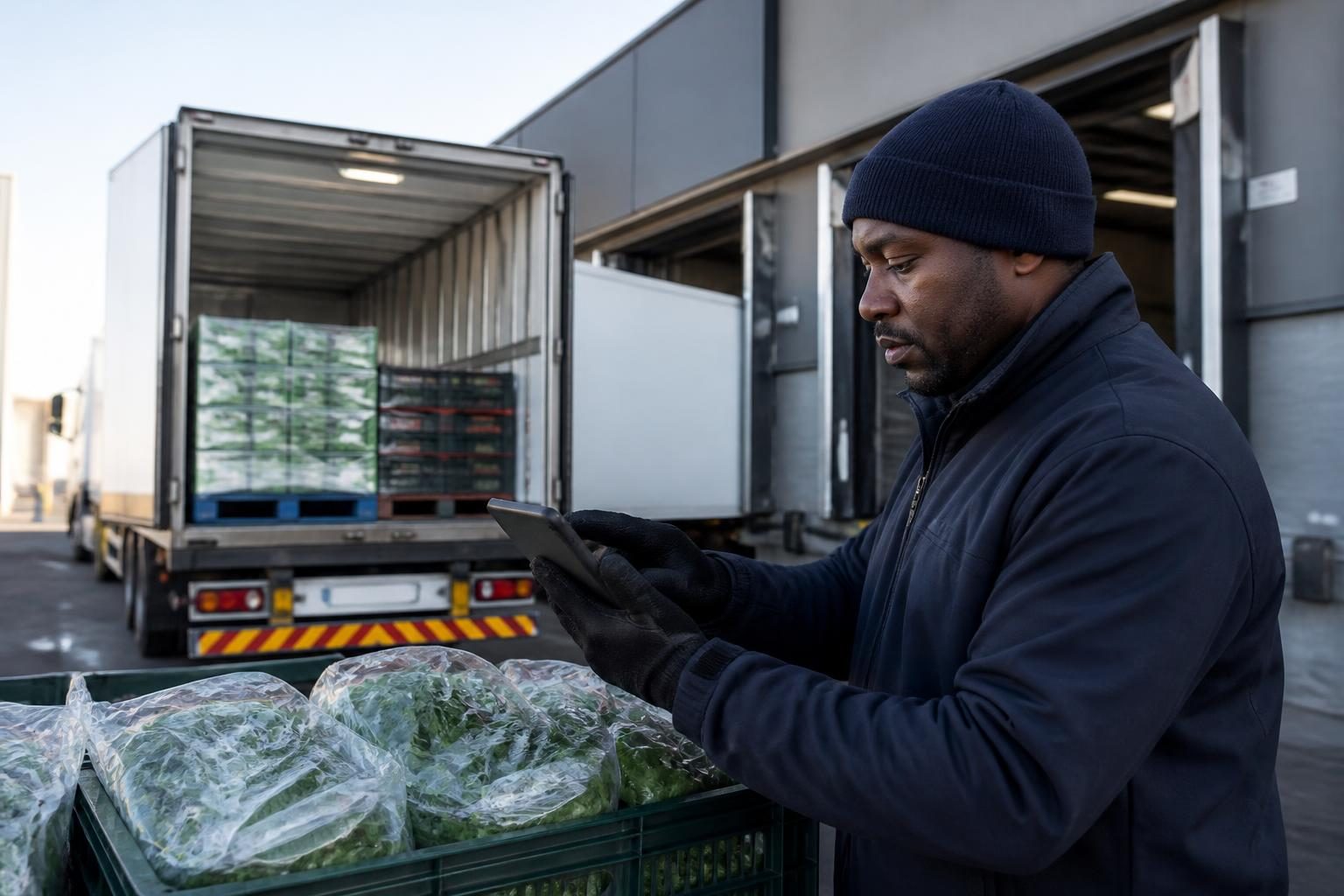
Protecting perishable cargo in South Africa: why precision matters
For logistics operators and buyers handling fruit, dairy, chilled pharmaceuticals or frozen seafood, temperature failures become hard-cost losses and potential regulatory write-offs. South African factors such as long distances between hubs, variable road quality, border inspections and regular load-shedding add risk. These 10 practical, audit-ready protocols will help you lock down the cold chain, reduce spoilage and meet compliance expectations from DAFF, the Department of Health and supermarket buyers.
10 temperature-controlled protocols every operator must adopt
- 1. Temperature mapping and validation:
Before using any trailer, warehouse bay or cold room for storage or transit, perform a temperature mapping study. Map hot and cold spots during loaded conditions and validate set points. Record baseline maps for customer audits and to design pallet layouts that avoid known hot zones.
- 2. Continuous digital monitoring and alerts:
Fit data loggers or IoT sensors that stream temperature and humidity in real time. Ensure alert escalation to mobile devices and operation centres. Examples: a supermarket pallet exposed during a door-open event should trigger an immediate driver alert and a reroute or emergency unloading decision.
- 3. Regular calibration of sensors and instruments:
Calibrate thermometers and probes on a scheduled basis (3–6 months) and keep certificates. Use a traceable standard thermometer for cross-checks before loading. Regulators and buyers expect calibration records during inspections.
- 4. Standard Operating Procedures (SOPs) for loading and staging:
Implement SOPs that enforce pre-cooling, minimal door-open time, and FEFO (first-expiry-first-out) or FIFO depending on product. Example: stage high-risk dairy in pre-cooled staging rooms rather than on an exposed dock during Cape Town summer heat.
- 5. Training and competency records for staff:
Train drivers, warehouse operators and quality staff on cold-chain principles, temperature monitoring tools and contamination risks. Maintain signed competency records to satisfy buyer or auditor queries.
- 6. Contingency planning for load-shedding:
Design redundancy with generators, fuel reserves and battery backups. Consider passive cooling methods (insulated curtains, dry ice for short transfers) during predictable outages. Run tabletop exercises to test the plan before peak season.
- 7. Door and airflow management:
Use strip curtains, airlocks and door sensors to reduce thermal shock. Train drivers to approach docks at correct speed and ensure dock levellers are used to minimise open-door time on busy routes like Jozi–Durban.
- 8. Preventive maintenance and performance checks:
Schedule refrigeration unit checks, condenser cleaning and refrigerant level monitoring. Keep spare parts for common failures and document repairs. A planned maintenance log reduces mid-route breakdowns and supports insurance claims.
- 9. Chain-of-custody and record-keeping:
Keep digital manifests, temperature logs and handover signatures for each leg. Clear chain-of-custody data helps resolve disputes with growers, processors and retailers and is critical when regulators investigate a write-off.
- 10. Auditable corrective actions and supplier agreements:
When excursions occur, have a documented corrective action plan that includes root-cause analysis, disposal, customer notification and preventive measures. Include cold-chain responsibilities in contracts with hauliers and cold stores to allocate risk and costs.
Putting protocols into practice — a local example
A Cape Town fruit exporter reduced spoilage by 25% after mapping export cold rooms, installing cloud-connected loggers and introducing pre-cool staging. When load-shedding hit, the business used dual-fuel generators and temporary dry-ice kits for short windows—actions documented for both supermarket buyers and DAFF inspections.
Conclusion: audit-ready cold chains protect margins
Perishable logistics in South Africa demands both technical controls and disciplined operations. Implementing these 10 protocols will lower spoilage, shorten dispute resolution times with buyers, and reduce the chance of regulator-mandated write-offs. Start with mapping, monitoring and a realistic load-shedding contingency; build training, documentation and supplier agreements around those core controls to create an audit-ready cold chain.
Need to benchmark your operation? Contact local cold-chain auditors or logistics specialists to run a rapid risk assessment and prioritise fixes with the highest ROI for your routes and commodities.