
Why low-cost green upgrades matter for South African properties
Rising energy costs, frequent Eskom load-shedding and chronic water stress make sustainability a business imperative in South Africa. For developers, landlords and buyers, targeted, low-cost measures can lower operating expenses, attract quality tenants and contribute to LEED credit categories—improving resale value and deliverable ROI without major capital outlay.
10 low-cost sustainable methods that add value and LEED potential
1. Switch to LED lighting and maximise daylight
LEDs cut lighting energy by up to 80% and last far longer than fluorescents. Combine with simple daylight strategies—skylights, light shelves and task lighting—to reduce demand. Practical example: replace common-area and office fixtures in an apartment block in Cape Town; tenants notice immediate utility savings and improved lighting quality. (LEED: EA, IEQ)
2. Draught-proofing and basic insulation upgrades
Weather-stripping doors, sealing gaps around windows and adding attic insulation are relatively cheap and produce quick paybacks in Pretoria or Johannesburg where heating and cooling loads are significant. Reduced HVAC cycling also extends equipment life. (LEED: EA)
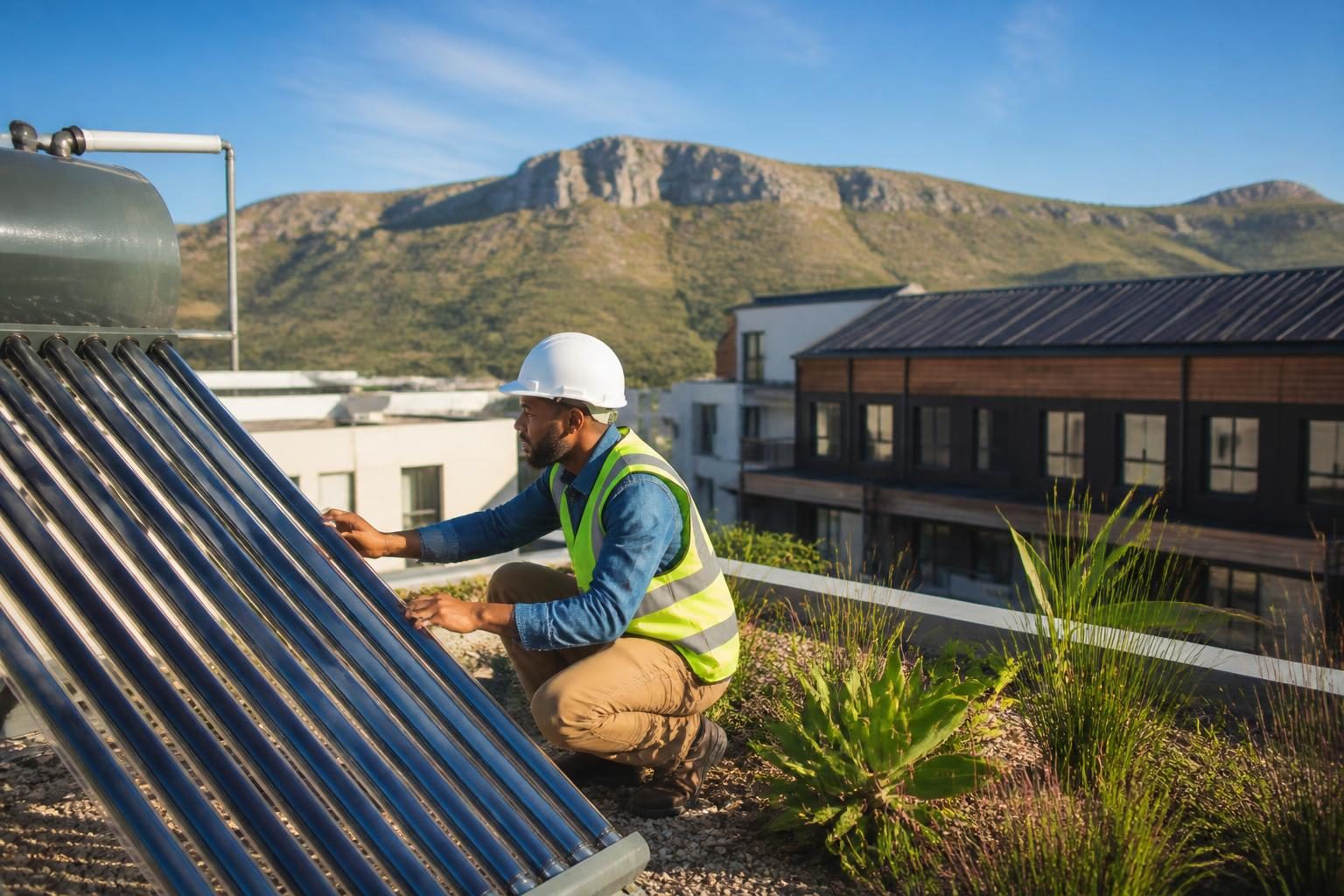
3. Install solar water heaters (solar geysers) or efficient heat pumps
Solar geysers are common in SA and typically qualify for municipal rebates in some metros. For multi-unit buildings, a central solar system drastically reduces diesel or electric geyser use—appealing to tenants and South African buyers who prioritise energy independence during load-shedding. (LEED: EA)
4. Rainwater harvesting and greywater reuse
Capture roof runoff into tanks for irrigation and toilet flushing. Even modest cisterns (2 000–5 000L) deliver big savings during Cape Town–style dry spells and demonstrate water stewardship to commercial tenants. Greywater systems for showers and laundry boost water efficiency further. (LEED: WE)
5. Fit low-flow fixtures and smart irrigation
Replace taps, showerheads and toilets with water-efficient models and add drip irrigation with timers. For property managers in the Western Cape, these relatively low-cost changes reduce municipal bills and can shorten payback to months. (LEED: WE)
6. Apply window films or upgrade to double-glazed units
Low-cost reflective films cut solar heat gain in Durban’s humid coast or protect interiors in Johannesburg’s sun. When budgets allow, double-glazing improves thermal comfort and acoustic performance—useful nearer busy roads. (LEED: EA, IEQ)
7. Install energy monitoring and smart controls
Smart meters, sub-metering and simple building management systems expose waste and allow targeted action. Example: sub-metering a commercial block identifies an inefficient tenant load; simple scheduling reduces evening energy peaks and earns operational savings. (LEED: EA, MR)
8. Choose low-VOC paints and robust ventilation
Low-VOC finishes improve indoor air quality for occupants and reduce sick leave and complaints—important in office and rental markets. Pair with adequate mechanical or natural ventilation to meet comfort expectations. (LEED: IEQ)
9. Adopt cool-roof coatings or lightweight green roofs
Painting roofs with reflective coatings lowers cooling demand and is inexpensive for large warehouses or flat-roofed apartments. Where structure allows, a lightweight green roof improves insulation and stormwater retention—value-add for marketing and sustainability reporting. (LEED: SS, EA)
10. Use indigenous landscaping and permeable paving
Planting native, waterwise species and replacing impermeable surfaces with pavers or gravel reduces irrigation needs and urban runoff. This approach is low-maintenance and attractive to tenants who value outdoor amenity. (LEED: SS, WE)
Practical next steps for South African developers and buyers
Begin with an energy and water audit to prioritise measures with the fastest payback. Target 2–4 upgrades per property depending on budget and market positioning. Document actions and savings to support LEED documentation or local rating schemes. Small investments—well chosen—can lift net operating income, reduce vacancy and make a property competitively green in the South African market.
Tip: Work with local contractors familiar with municipal incentives (solar rebates, water-efficiency rebates) and SANS standards to ensure compliance and maximise value.