
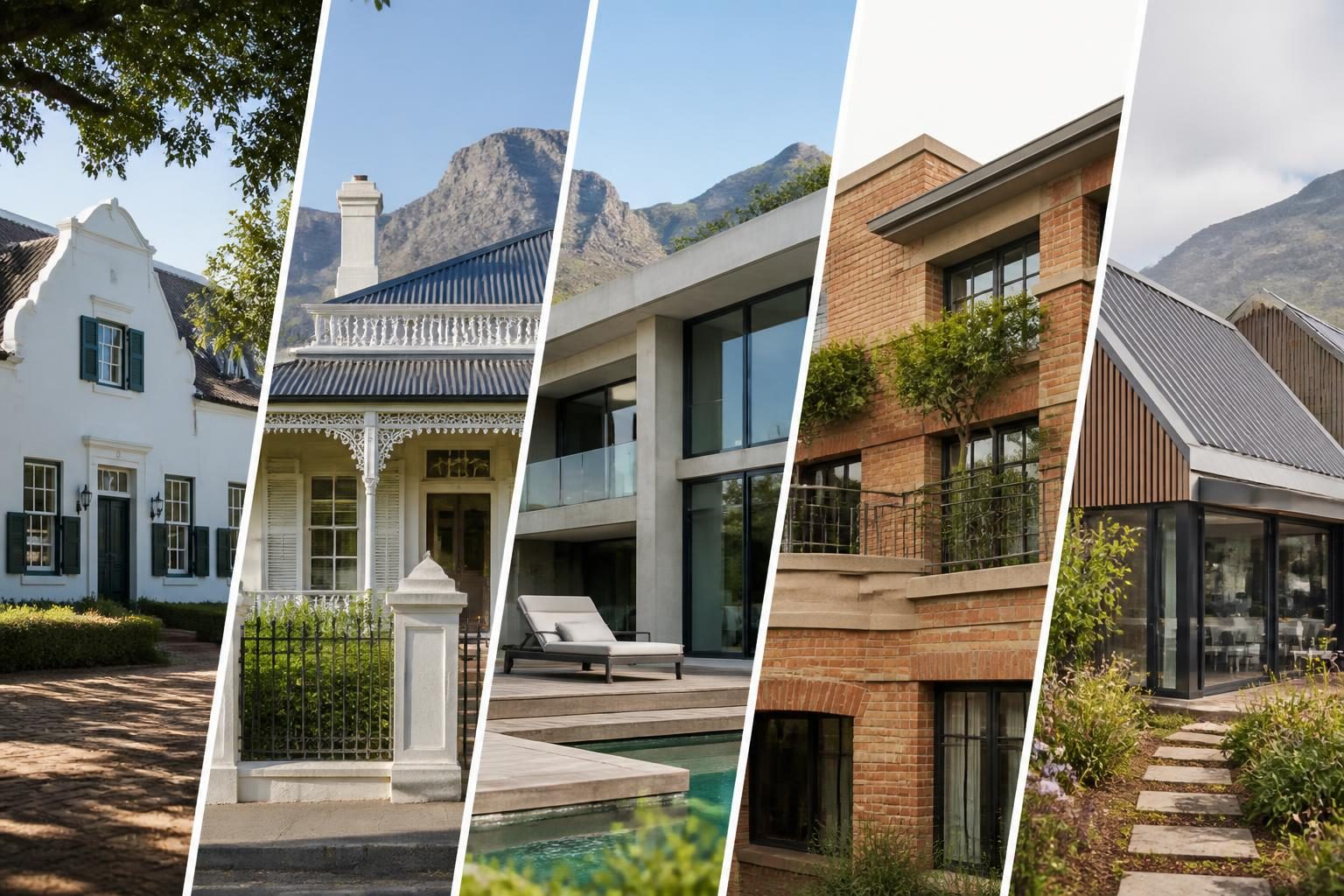
Recognising South African architecture: five styles every buyer and business owner should know
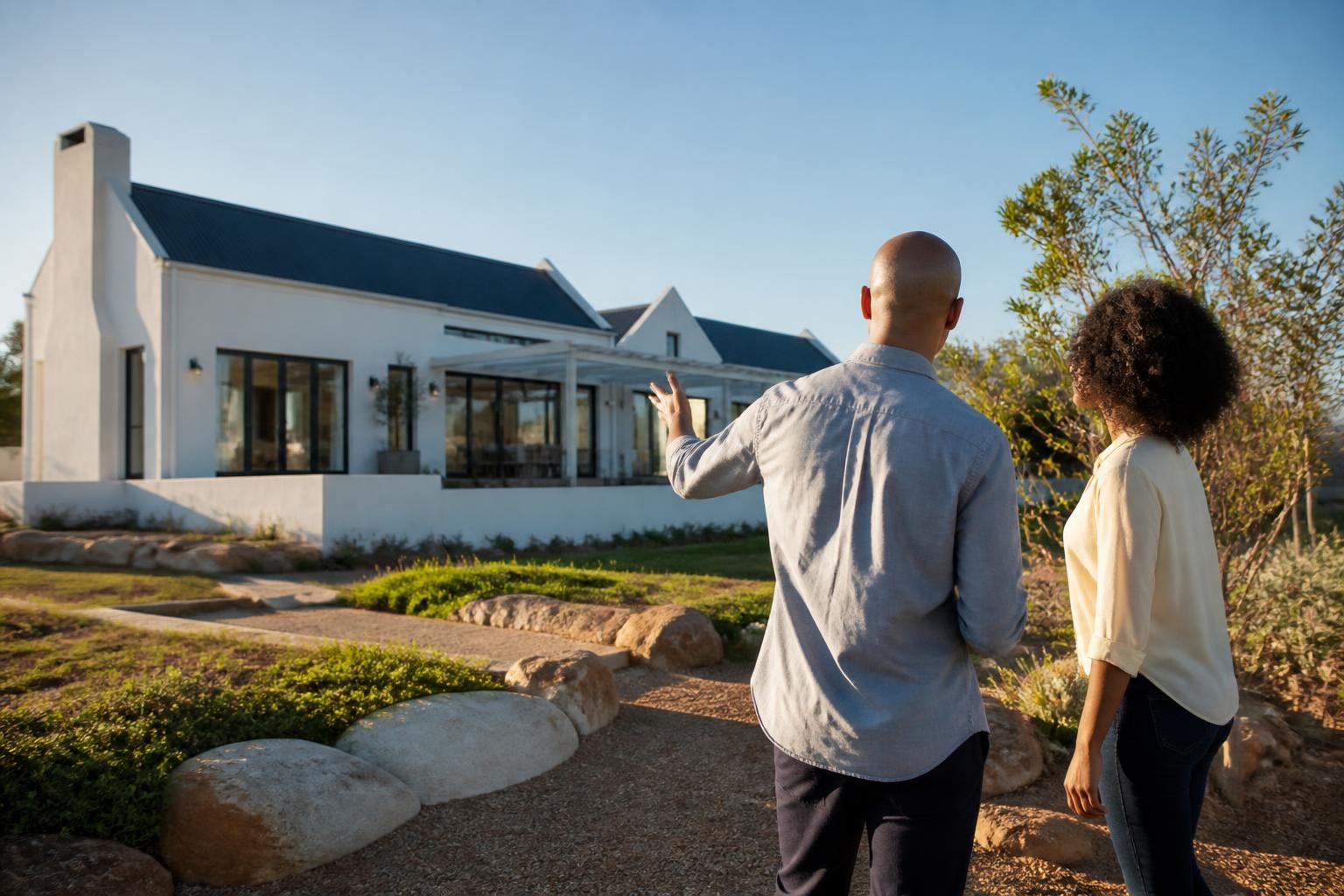
Whether you’re buying a guesthouse in Stellenbosch, converting a Johannesburg townhouse into offices, or hiring an architect to restore a family home, understanding common architectural styles helps you brief professionals and budget realistically. Below are the five most popular architectural styles found across South Africa, with practical examples and local considerations.
Cape Dutch (and Cape Georgian)
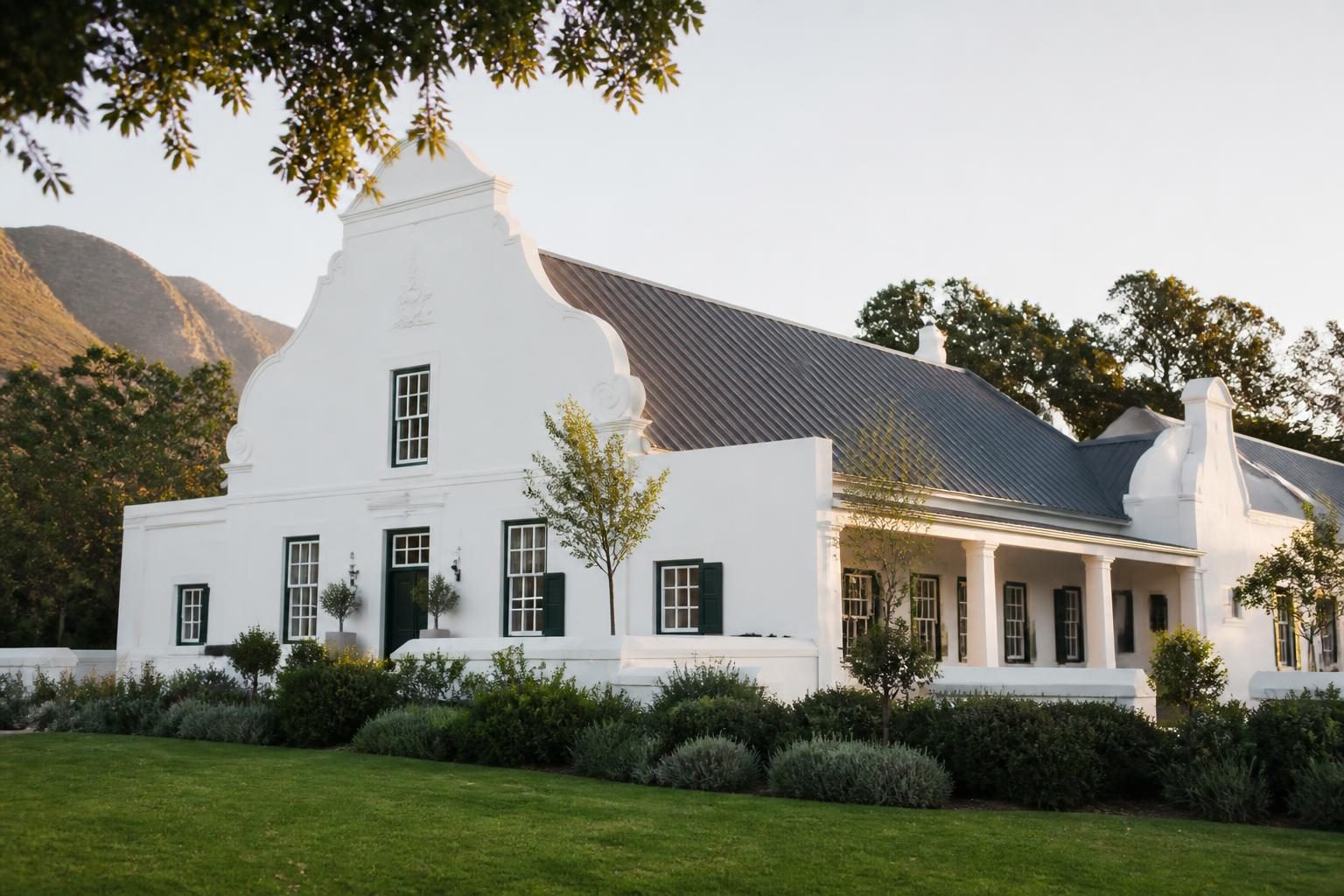
The iconic Cape Dutch style is strongest in the Western Cape: gabled farmhouses around Stellenbosch, Paarl and the Boland, and adapted domestic versions in Cape Town. Characteristic features include dramatic rounded gables, whitewashed walls, sash windows and thatch roofs or corrugated replacements.
- Practical tip: Thatch restoration requires specialised contractors and municipal heritage consent in protected areas. Expect higher maintenance and insurance premiums for thatch.
- Material note: Traditional lime plaster and natural timber are common. Modern interventions must respect breathability to avoid damp problems.
Victorian and Edwardian
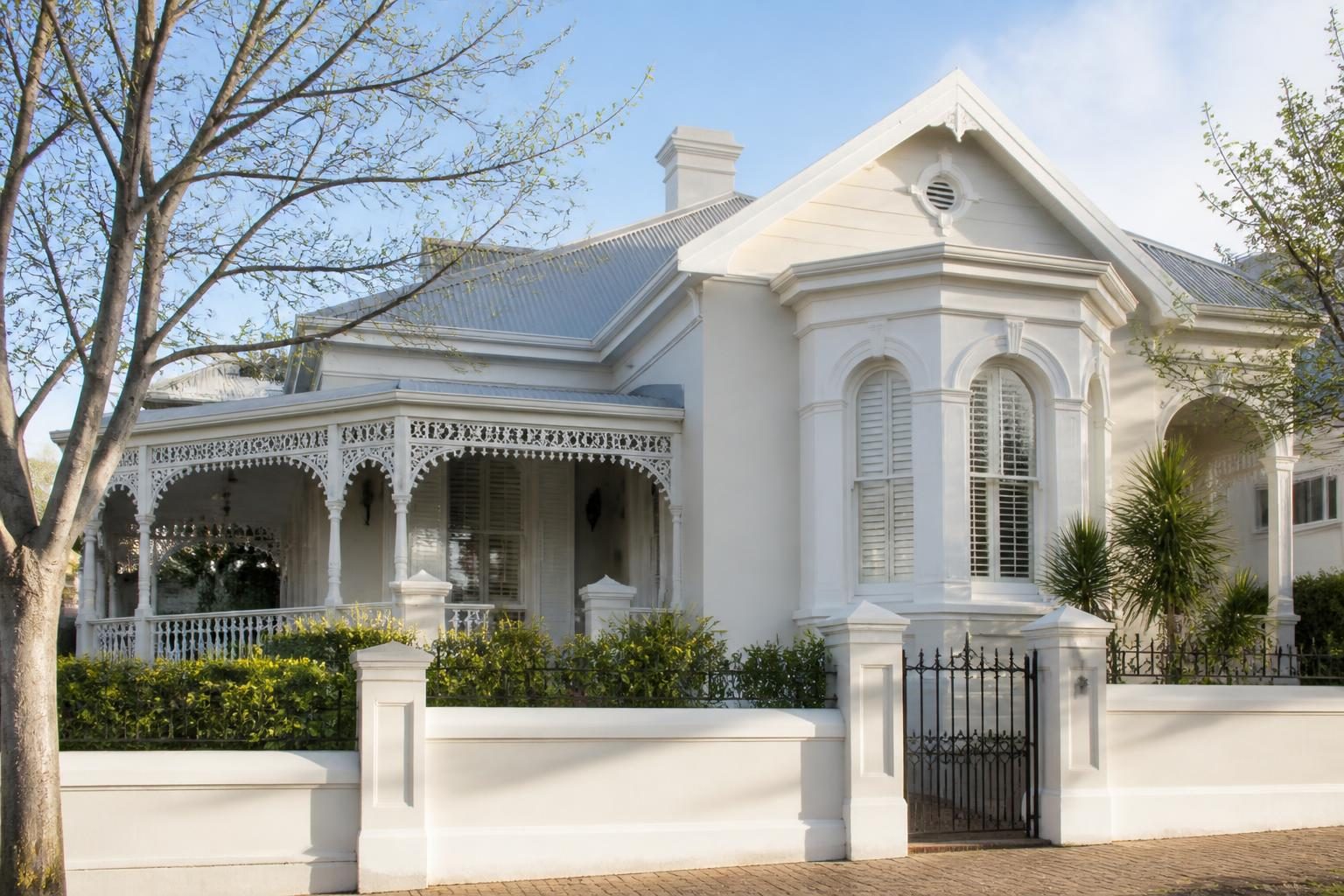
Victorian-era rows, terraces and villas appear in older suburbs of Cape Town, Port Elizabeth and Johannesburg. Look for steeply pitched roofs, decorative timberwork, bay windows and cast-iron detailing. These buildings are often subdivided into flats or repurposed for commercial use.
- Restoration advice: Original timber sash windows improve character and thermal performance when properly serviced. Heritage authorities sometimes require retention of street-facing features.
- Commercial angle: Converting a Victorian property to guest accommodation or offices can add value, but factor in electrical, plumbing and insulation upgrades.
Art Deco and 1930s Commercial
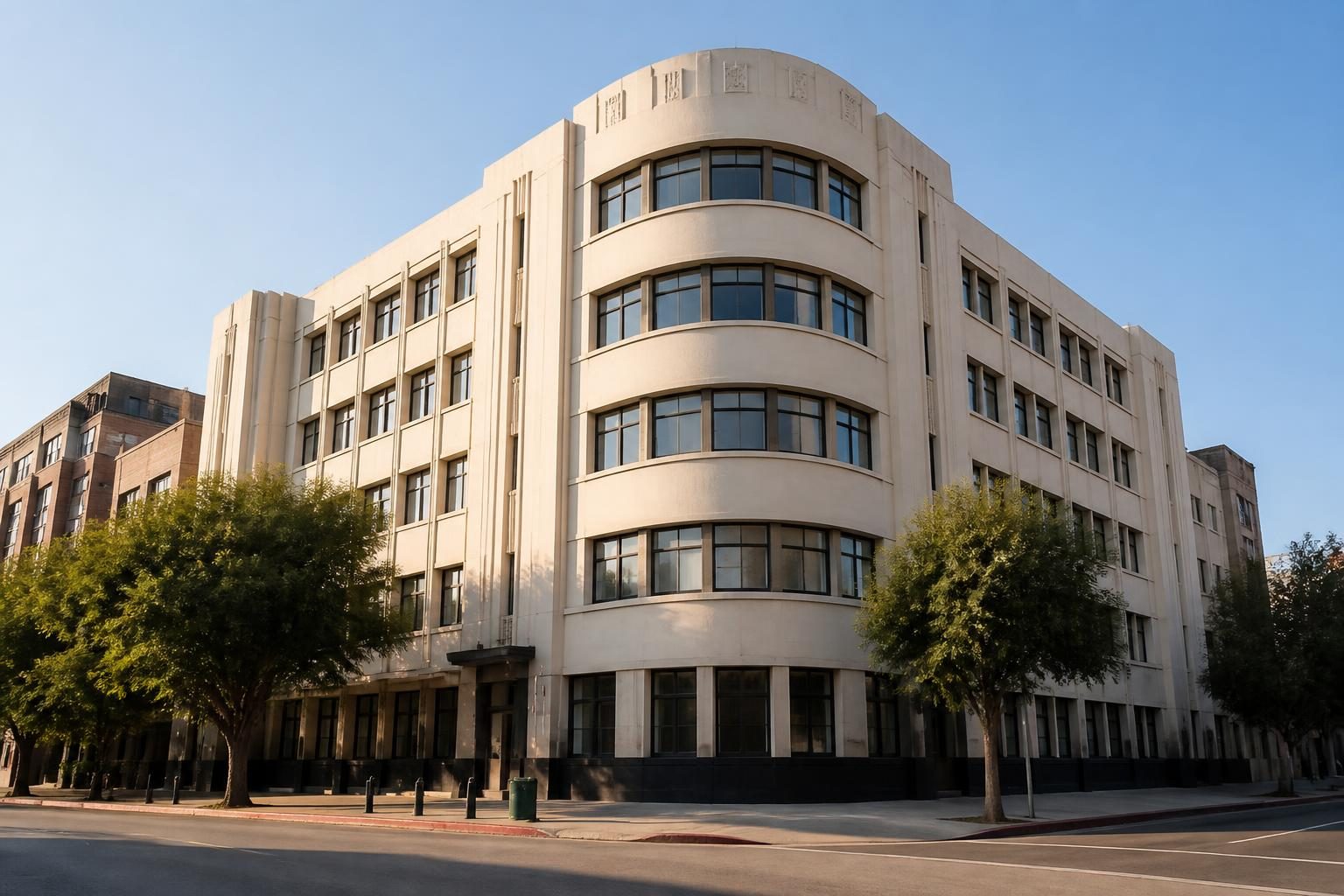
Art Deco left a visible mark on coastal cities and inner suburbs: streamlined facades, curved corners, decorative motifs and terrazzo floors. Durban and Johannesburg host notable apartment blocks and cinemas from this era. These buildings are popular for boutique hotels and creative office fit-outs.
- Preservation tip: Seek architects experienced in concrete repair and terrazzo restoration—coastal corrosion is common in Durban and Port Elizabeth.
- Search intent: Buyers often search for “Art Deco restoration architect” or “heritage building conversion” when pursuing projects in these precincts.
Mid‑century Modern / International Style
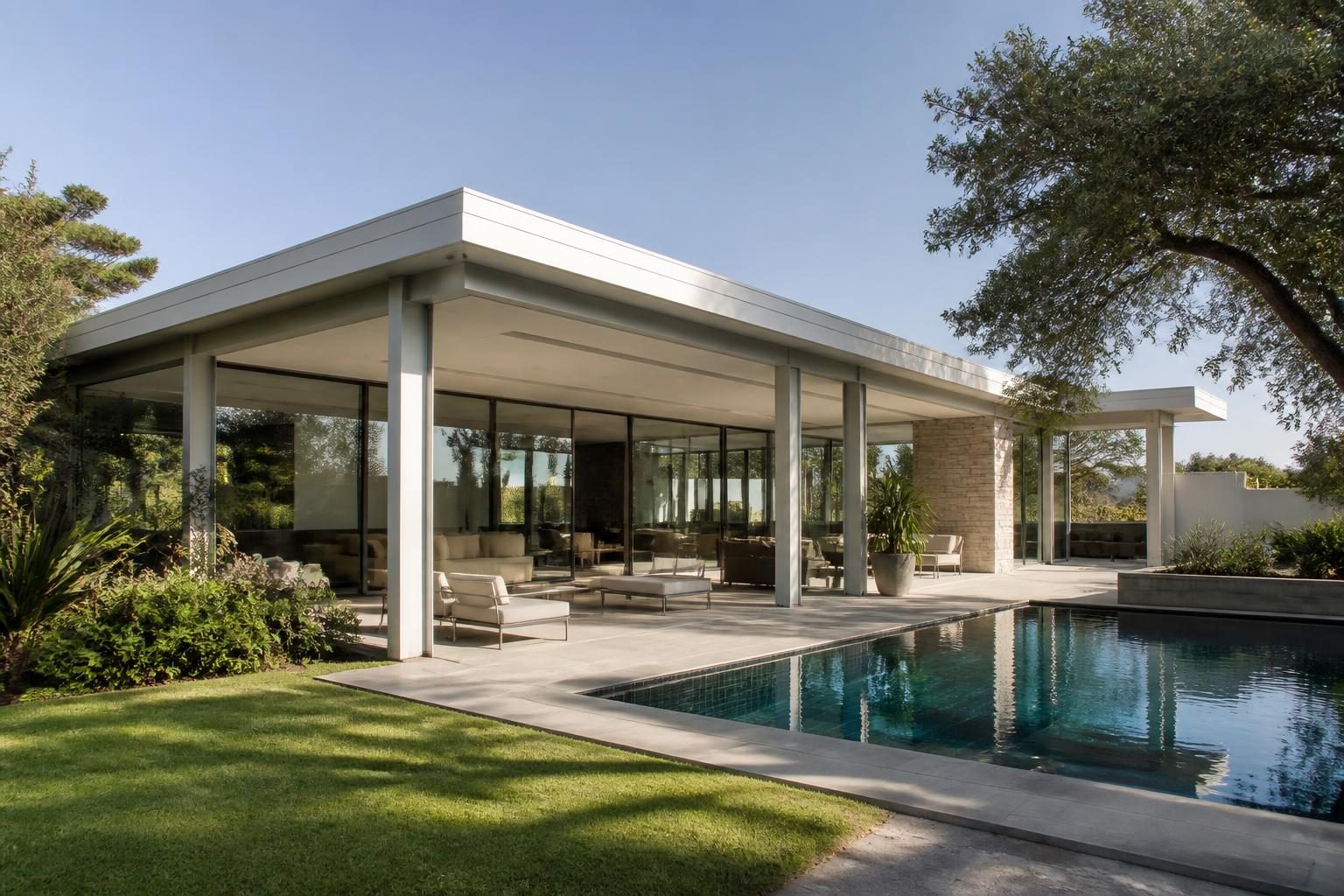
Flat roofs, open-plan living, large glass panes and clean horizontal lines define mid‑century modern homes found across Gauteng and the Western Cape. Architects from the 1940s–1970s used reinforced concrete and brick, producing houses that suit adaptable modern interiors.
- Energy note: Original single‑glazed panes and flat roofs may need thermal upgrades and waterproofing. Consider adding insulation and high-performance glazing.
- Investment tip: Mid‑century residences often attract buyers seeking character with modern comfort; a sympathetic renovation can raise resale value significantly.
Contemporary and Sustainable (Green) Design
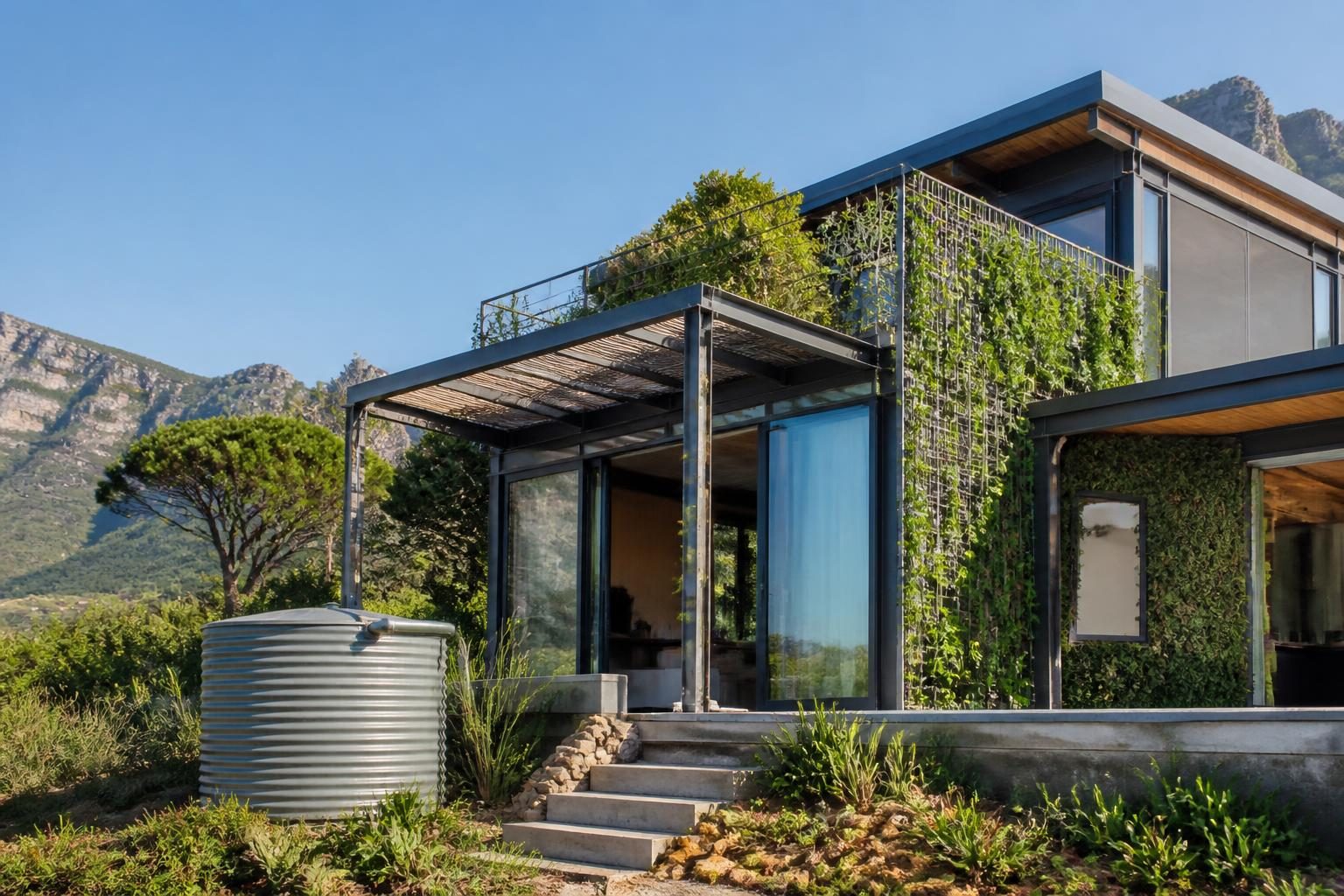
Contemporary South African architecture blends minimalism with local materials and sustainability strategies. Rainwater harvesting, passive solar orientation, breathable wall systems and indigenous landscaping are common. Architects now reference vernacular elements—rondavels, thatch textures or Ndebele colour palettes—within modern structures.
- Cost vs. saving: Upfront investment in solar PV, waterwise landscaping and thermal design reduces operating costs and appeals to eco-conscious buyers or tenants.
- Regulatory note: For commercial projects, green building ratings (e.g., GBCSA) can be a selling point for tenants and investors.
How to choose an architect for your style and project
Start by searching for architects with a portfolio in the specific style you’re targeting: heritage restoration requires different experience than contemporary, sustainable builds. Ask for examples of planning approvals, detail drawings and local contractor recommendations.
- Heritage projects: Verify experience with municipal conservation offices and heritage permits.
- Renovations: Request cost estimates for structural upgrades, waterproofing and insulation—these are common hidden costs.
- Green builds: Look for architects skilled in passive solar design, rainwater systems and energy modelling.
Understanding the architectural language of a property helps you brief professionals, avoid surprise expenses and select the right market positioning—whether you plan to restore, renovate or redevelop. For South African buyers and business owners, balancing heritage sensitivity, climate-appropriate construction and contemporary comfort will deliver the best long-term return.